
Nutrition Insights & Articles
Discover evidence-based articles about meal planning, nutrition science, and practical strategies for optimal health through thoughtful eating habits.
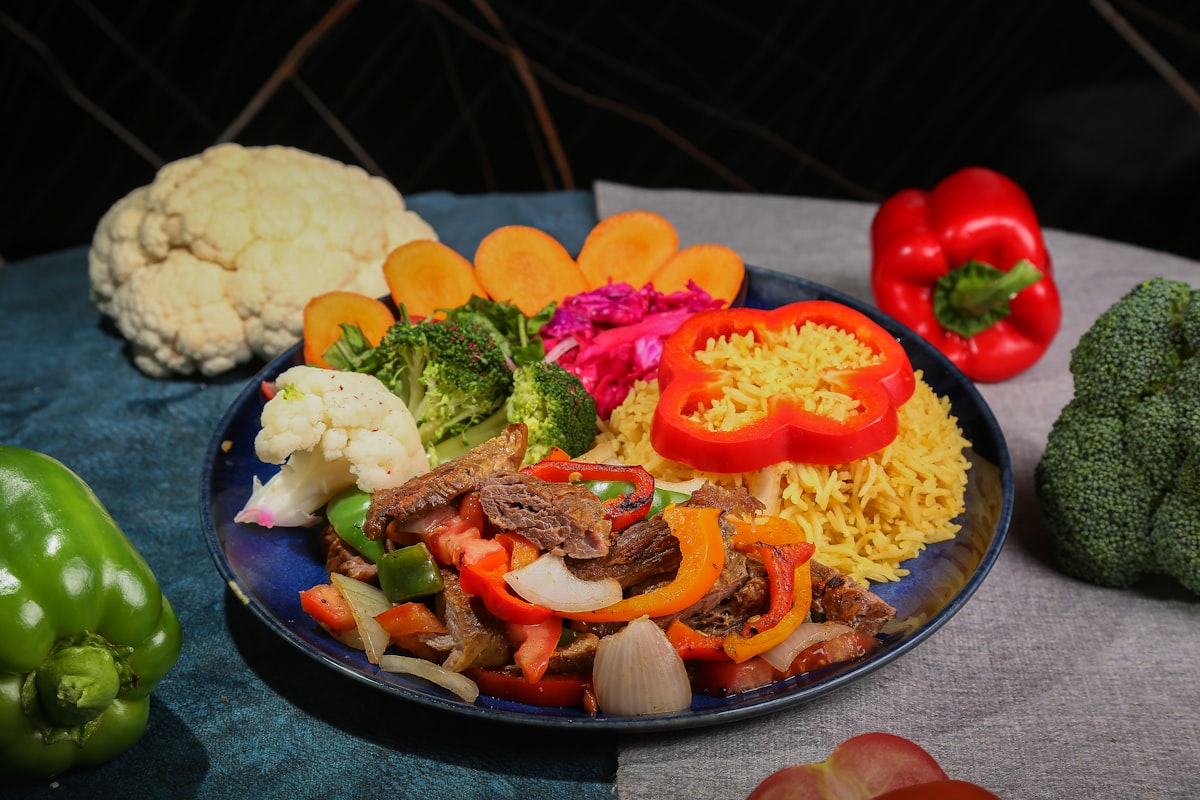
The Macro Balance: Understanding Protein, Carbs, and Fats
Macronutrients form the foundation of every meal plan. This comprehensive guide explores how protein supports muscle maintenance, complex carbohydrates fuel your body, and healthy fats support hormonal balance. Learn how to create a personalised macro ratio that works for your lifestyle and wellbeing goals.
Discover practical tips for tracking macros without obsession, understanding food labels, and making sustainable choices that feel natural rather than restrictive.
Read Full ArticleFilter by Category
 Nutrition Science
Plant-Based Proteins: Building Complete Amino Acid Profiles
Explore how to combine plant-based foods strategically to ensure you're consuming all nine essential amino acids necessary for optimal muscle function and recovery.
 Meal Planning
Efficient Meal Prep: Time-Saving Strategies for Busy Schedules
Master the art of batch cooking and meal preparation to maintain consistent nutrition throughout the week, even during your busiest periods.
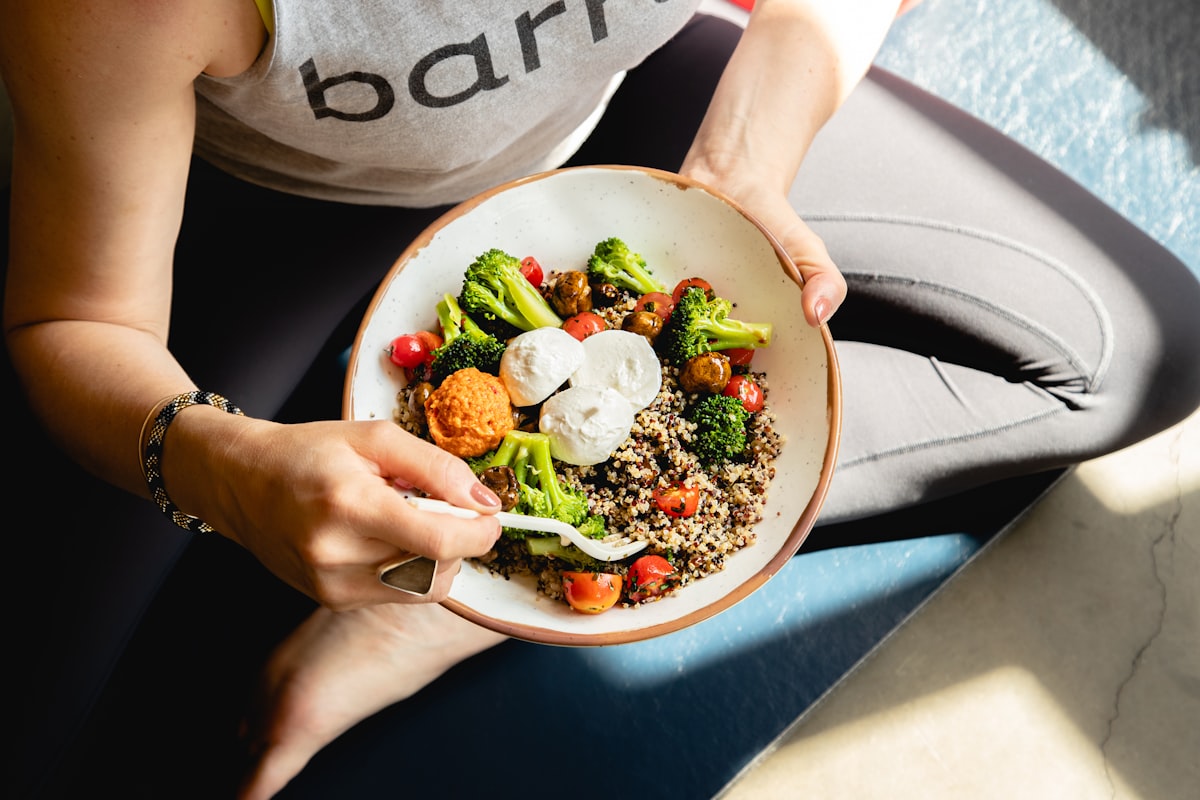 Ingredients & Foods
Seasonal Eating: Aligning Your Diet with Nature's Harvest
Discover why eating seasonally supports both your nutritional needs and local agriculture, with practical guidance on seasonal produce throughout the year in the UK.
 Health Goals
Hydration Fundamentals: Beyond the Eight-Glass Rule
Understand your individual hydration needs based on activity level, climate, and body composition. Learn how proper hydration supports every bodily function.
 Nutrition Science
Micronutrients Demystified: Vitamins and Minerals That Matter
Explore the critical roles of vitamins and minerals in your body, food sources for each, and how to identify potential nutritional gaps in your current diet.
 Lifestyle
Mindful Eating: Reconnecting with Food and Satisfaction
Learn practical techniques to slow down during meals, enhance digestion through awareness, and develop a healthier relationship with the food you consume.
 Meal Planning
Nutrition on a Budget: Quality Eating Without Overspending
Discover strategies for purchasing whole foods economically, understanding value beyond price per item, and maintaining nutritional quality with a limited food budget.
 Health Goals
Sleep & Nutrition: How Food Choices Impact Your Rest
Explore the bidirectional relationship between meal timing, food composition, and sleep quality. Learn which nutrients and timing strategies support restorative sleep.
Frequently Asked Questions
Answers to common questions about nutrition, meal planning, and healthy eating habits.
How do I determine my individual caloric needs?
Caloric needs vary based on age, gender, activity level, metabolism, and body composition. Rather than relying on single calculations, track your current intake and energy levels for a week, then adjust by 10-15% based on your goals and how you feel. Consider consulting evidence-based calculators as starting points, but personalisation through observation is key.
What's the difference between whole grains and refined carbohydrates?
Whole grains retain all three parts of the grain kernel: bran, germ, and endosperm. This means more fibre, vitamins, and minerals compared to refined grains where the bran and germ are removed. Whole grains provide sustained energy, better satiety, and support digestive health. Include brown rice, oats, and wholewheat bread in your regular rotation.
How can I manage cravings while improving my nutrition?
Cravings often signal nutritional gaps, dehydration, or emotional needs rather than true hunger. Ensure adequate protein, fibre, and sleep, as these foundations reduce cravings significantly. When cravings arise, pause for 10 minutes: drink water, move your body, or address the underlying need. Practise gentle nutrition rather than restriction—small portions of satisfying foods fit into a balanced plan.
What role does fibre play in a balanced diet?
Dietary fibre supports digestive health, stabilises blood sugar, promotes satiety, and feeds beneficial gut bacteria. Most people consume far less fibre than recommended (30g daily). Increase intake gradually through vegetables, fruits, legumes, and whole grains to avoid digestive discomfort. Adequate fibre also supports cardiovascular health and helps maintain stable energy levels throughout the day.
Is eating late at night problematic for nutrition goals?
Timing matters less than total daily intake and food quality. Late eating becomes problematic if it disrupts sleep or leads to excessive intake when not truly hungry. However, eating nutrient-dense foods in the evening won't prevent progress. If evening hunger disrupts sleep, include protein and healthy fats earlier to increase satiety, and assess whether late eating reflects true hunger or habit.
How do I balance nutrition while eating out or travelling?
Planning ahead reduces stress: research restaurant menus beforehand, request modifications (sauces on the side, extra vegetables), and prioritise protein-rich options. Pack portable snacks like nuts, fruit, or protein bars. Remember that occasional indulgences don't derail long-term nutrition—one meal doesn't define your health. Focus on making the best choice available rather than seeking perfection while travelling.
Stay Updated with Nutrition Insights
Subscribe to receive our latest articles on meal planning, nutrition science, and practical wellness strategies delivered to your inbox.
We respect your privacy. Unsubscribe at any time.
Explore More Resources
Additional guides and tools to support your nutrition journey.
Meal Planning Guide
Comprehensive guide to structuring balanced meals, weekly planning strategies, and shopping lists for various dietary approaches.
Explore GuideNutrition Tips & Tricks
Quick, practical tips for improving your daily nutrition habits, food preparation techniques, and evidence-based wellness practices.
Read TipsFree Nutritional Guidebook
Download our comprehensive guidebook with nutrition fundamentals, food substitutions, and practical strategies for sustainable eating patterns.
DownloadHave Questions About Our Content?
Our editorial team welcomes feedback, topic suggestions, and questions about the nutrition information we share. Reach out to help us create more valuable resources for our community.
Send Us Feedback